
Creating a relaxing home workspace is key to maintaining productivity and improving overall well-being, especially as more people continue to work remotely. A well-designed and comfortable area not only helps you focus but also reduces stress and keeps your motivation high. Whether you have a dedicated room or a small corner, these tips will help you craft a workspace that feels calm, inspiring, and functional.
Why a Relaxing Workspace Matters
Your environment plays a big role in how you perform and feel throughout the day. A cluttered, noisy, or uncomfortable workspace can lead to distractions, fatigue, and stress. Conversely, a space that promotes relaxation helps you concentrate better, avoid burnout, and enjoy your work more.
Choose the Right Location
First, pick a spot in your home where you can work with minimal interruptions. Ideally, this should be a place with:
– Good natural light to keep you alert and improve mood.
– Enough space for your equipment and to keep organized.
– Separation from high-traffic areas to reduce noise and distractions.
If possible, avoid working in your bedroom or areas used primarily for relaxation to maintain a clear work-life balance.
Invest in Comfortable and Supportive Furniture
Comfortable furniture is essential for both productivity and health. Poor posture can cause discomfort and long-term issues. Consider these points:
– Ergonomic chair: Support your back and promote good posture.
– Adjustable desk: Choose between sitting and standing positions.
– Proper desk height: Keeps arms and wrists comfortable to avoid strain.
Even small changes like adding a footrest or cushioned seat pad can make a big difference.
Organize with Purpose
Clutter can quickly increase stress and reduce focus. Keep your workspace tidy with smart storage:
– Use shelves, drawers, or organizers to keep essentials within reach.
– Limit your desktop items to frequently used things only.
– Regularly declutter to maintain a calm atmosphere.
Labeling storage bins or files also helps save time searching for documents and supplies.
Use Soothing Colors and Decorations
Colors impact mood and productivity. Cool tones like blues and greens are calming, while soft neutrals add warmth. Keep decorations minimal but meaningful:
– Add plants to bring in natural elements; they also improve air quality.
– Hang artwork or motivational quotes that inspire you.
– Use soft lighting or a desk lamp for a warm ambiance.
Avoid overly bright or harsh colors that can cause eye strain or unease.
Control Noise and Distractions
Noise distractions can interrupt your flow. Here’s how to manage sound in your workspace:
– Use noise-cancelling headphones or background music to drown out distractions.
– Consider soundproofing options like rugs, curtains, or wall panels.
– Communicate your work hours clearly to others at home.
Establishing boundaries helps ensure your workspace remains a focused environment.
Incorporate Break Areas and Movement
Taking regular breaks is vital for well-being and productivity. If possible, set up a small area nearby to:
– Stretch or do light exercises.
– Meditate or practice deep breathing.
– Enjoy a quick coffee or snack away from your desk.
Movement boosts circulation and refreshes your mind, so don’t stay seated for long periods without a pause.
Optimize Lighting
Good lighting reduces eye strain and improves alertness:
– Position your desk near a window to take advantage of daylight.
– Use adjustable desk lamps with warm to neutral bulbs.
– Avoid glare on your screen by angling monitors properly.
A mix of natural and artificial light tailored to your needs works best.
Personalize with Purpose
Adding personal touches makes the space your own without cluttering it:
– Display family photos or souvenirs that bring positive feelings.
– Choose a scent diffuser or candles with relaxing aromas, like lavender.
– Select desk accessories in colors or styles that uplift you.
Balance personalization with practicality to keep the workspace focused yet inviting.
Establish a Routine and Boundaries
Finally, create habits that support productivity and relaxation:
– Set consistent work hours to separate work and personal time.
– Start and end your workday with calming rituals like stretching or journaling.
– Avoid working in your relaxation areas to help your mind disconnect after hours.
A routine reinforces your workspace’s role as a productive but stress-free zone.
—
By intentionally designing a relaxing home workspace, you create an environment that supports both your professional success and personal well-being. Small changes in lighting, organization, furniture, and ambiance can have a big impact on how you feel and function each day. Take the time to craft a space that works for you, and enjoy the benefits of a calm, enjoyable, and productive work experience at home.
Related Posts
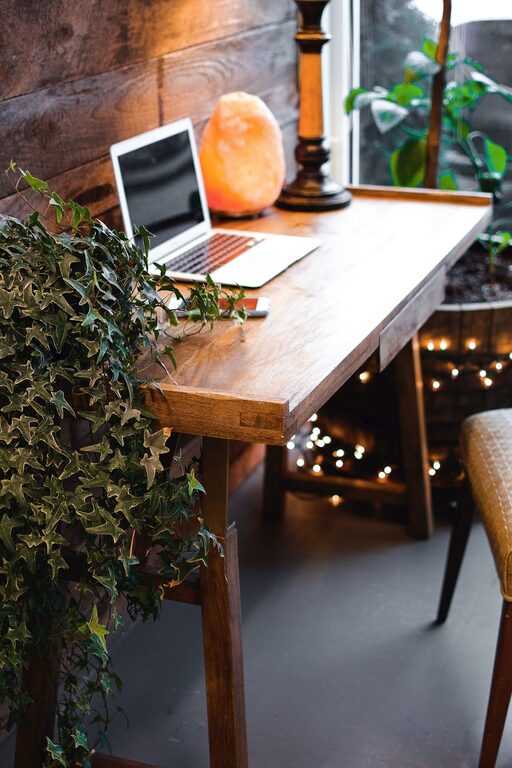
Tips for Creating a Cozy and Inviting Home Workspace
Creating a cozy and inviting home workspace can transform your…
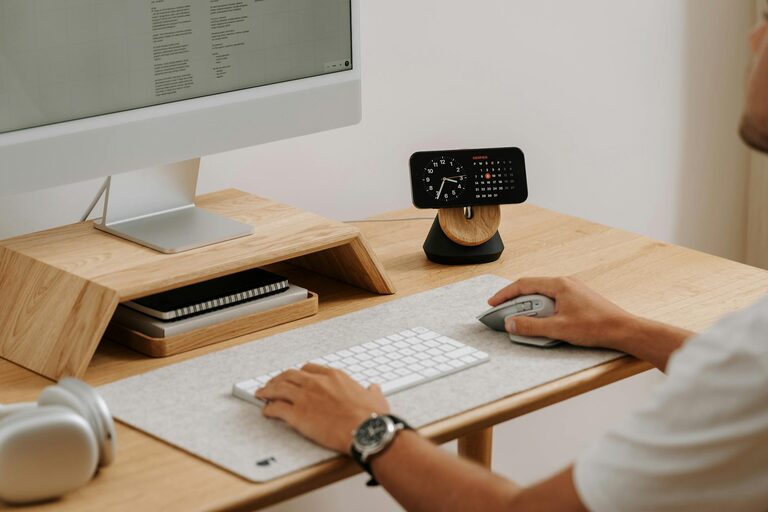
Tips for Creating a Cozy and Productive Home Office Space
Creating a cozy and productive home office space is essential…
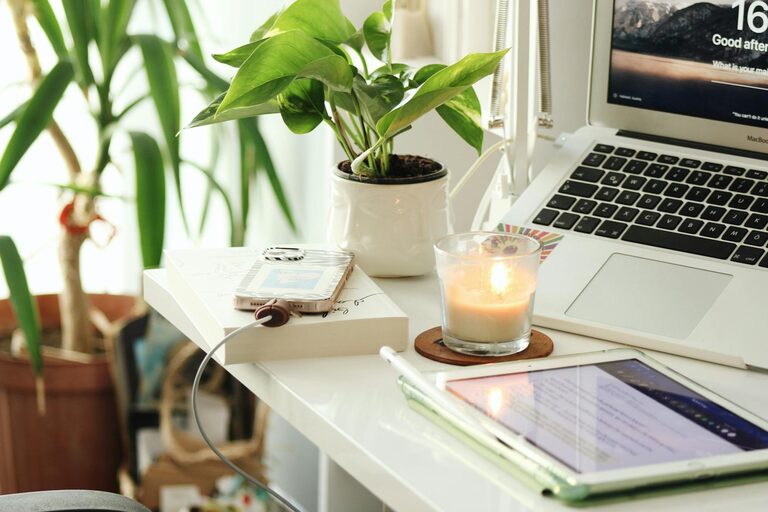
Tips for Creating an Organized and Productive Home Workspace
Creating an organized and productive home workspace is essential for…